Key Fashion Trends for Spring Summer Season
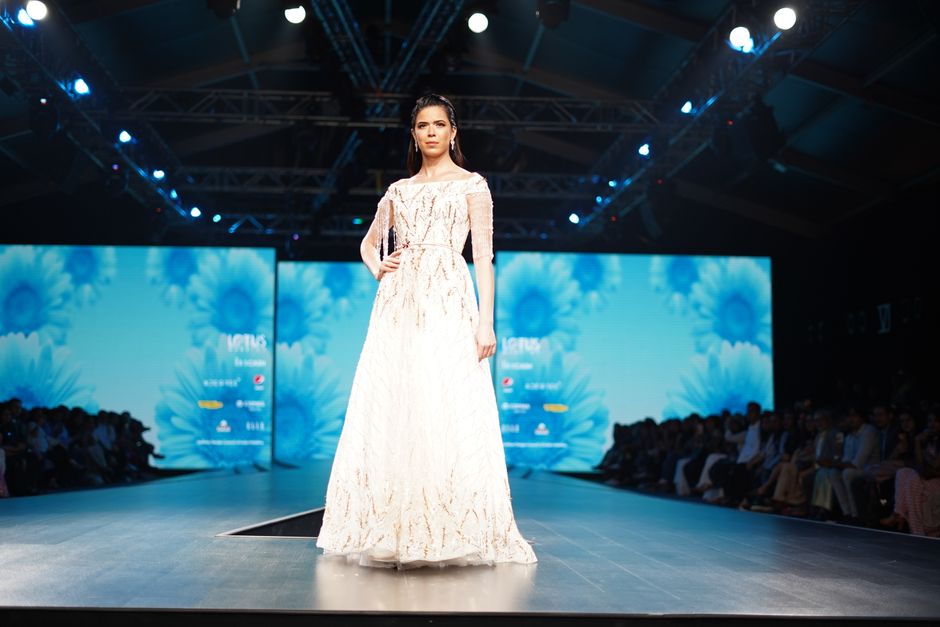
The Spring Summer season brings a fresh wave of styles from recent runways, offering a mix of colors, fabrics, and silhouettes that can refresh any daily wardrobe. Understanding these trends is not about blindly following every look but about identifying elements that resonate with personal style and lifestyle. Runway presentations often set the tone for what will appear in stores and on streets, yet the translation from catwalk to closet involves thoughtful adaptation. This article explores key trends from recent shows and provides process-oriented guidance on integrating them in practical ways. By focusing on methods and context, readers can make informed choices that align with their own preferences and daily routines.
In the following sections, we will examine several prominent themes, including color directions, fabric innovations, silhouette shifts, and accessory accents. Each section outlines what was seen on runways and suggests approaches for incorporating those elements into everyday attire. The goal is to offer a neutral, informative overview that supports individual decision-making rather than prescribing specific outcomes. Style Thread, as a resource for fashion information, encourages a balanced view that respects personal expression and practicality.
As with any seasonal transition, the integration of new trends depends on multiple factors such as climate, professional environment, and personal comfort. This article does not guarantee any particular result and emphasizes that choices should be made with consideration of individual circumstances. The information presented here is intended to stimulate ideas and provide a framework for experimentation, not to serve as a definitive guide. Readers are encouraged to adapt suggestions to their own needs and to view trends as tools for creativity rather than rigid rules.
Color Palettes for the Season
Recent runways have highlighted a range of color palettes that vary from soft pastels to vibrant brights, offering diverse options for spring summer dressing. Pastel tones such as lavender, mint, and blush appeared frequently, often in monochromatic looks that create a soft, cohesive aesthetic. These colors can be incorporated through separates like blouses, trousers, or lightweight jackets, allowing for gradual integration into an existing wardrobe. For those who prefer more intensity, bold hues like electric blue, coral, and fuchsia were prominent, sometimes used as accents or in full outfits. The choice between pastels and brights often depends on personal coloring and the context in which the clothing will be worn.
Neutrals also maintained a strong presence, with shades of beige, white, and gray serving as foundational pieces that can balance more expressive colors. Runway designers frequently paired neutrals with pops of color to create visual interest without overwhelming the eye. This approach can be replicated in daily wear by using neutral bases and adding colorful accessories or statement pieces. Additionally, earth tones like terracotta and olive green offered a grounded alternative, suitable for those who prefer muted palettes. The versatility of these colors means they can transition across seasons and occasions with relative ease.
When considering how to apply these color trends, a common method is to start with one or two new shades that complement existing favorites. This allows for a gradual refresh rather than a complete overhaul. Testing colors in smaller items such as scarves, bags, or jewelry can help determine comfort levels before investing in larger garments. It is also useful to consider how colors interact with natural lighting and skin tones, as these factors can influence overall appearance. Style Thread suggests that color selection is a personal process that benefits from experimentation and observation.
Fabric and Texture Innovations
Spring summer collections often emphasize lightweight and breathable fabrics that accommodate warmer temperatures while maintaining visual interest. Recent runways featured an array of materials including linen, cotton, silk, and innovative blends that offer drape and movement. Sheer fabrics were used in layered ensembles, providing a sense of airiness and sophistication. These can be adapted for daily wear by choosing sheer pieces for evening events or layering them over opaque undergarments for a more modest look. The key is to balance transparency with coverage according to the occasion and personal comfort.
Textural contrasts also played a significant role, with designers mixing smooth and rough surfaces to create depth. For example, pairing a crisp cotton shirt with a textured knit or a silky skirt with a rustic denim jacket can add visual complexity. Such combinations can be replicated in everyday outfits by experimenting with different fabric weights and finishes. Additionally, sustainable materials like organic cotton and recycled fibers gained visibility, reflecting a growing interest in environmental considerations. Incorporating these fabrics can be a way to align fashion choices with broader values.
When integrating new fabrics into a wardrobe, it is helpful to consider care requirements and durability. Some materials may need special handling, which could influence how often they are worn. A practical approach is to introduce one or two new fabric types per season, assessing how they fit into existing routines. Layering different textures can also extend the wearability of garments across transitional weather. As with color, fabric selection is highly individual and depends on factors such as climate, activity level, and maintenance preferences.
Silhouettes and Proportions
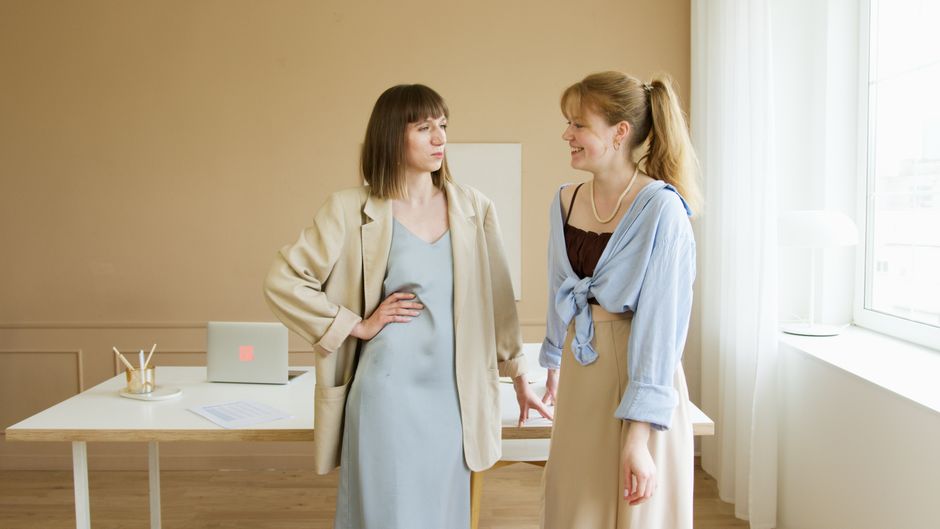
Runway silhouettes for spring summer often include a mix of relaxed and structured shapes, offering options for various body types and style preferences. Oversized blazers, wide-leg trousers, and flowing dresses were common, emphasizing comfort and ease of movement. These pieces can be incorporated into daily wear by balancing volume with more fitted elements, such as a loose jacket over a slim top or wide pants with a tucked-in shirt. The goal is to create a harmonious proportion that feels both current and personally flattering.
Another notable trend is the return of tailored shorts and midi skirts, which provide alternatives to traditional summer staples. Tailored shorts can be styled with blouses for a polished look, while midi skirts offer coverage and versatility. These silhouettes can be adapted to different settings by adjusting accompanying pieces and accessories. For instance, a midi skirt paired with a simple tee and sneakers creates a casual outfit, whereas swapping in a silk blouse and heels shifts it toward more formal occasions. Such flexibility makes these trends accessible for a range of activities.
When experimenting with new silhouettes, it can be useful to assess how they interact with existing wardrobe items. A new wide-leg pant might require different top lengths to achieve desired proportions. Similarly, an oversized blazer may need to be balanced with narrower bottoms. Taking time to try combinations in front of a mirror or using a styling app can help identify what works best. Style Thread notes that silhouette choices are often influenced by cultural and professional contexts, so personal judgment is essential.
Accessories and Details
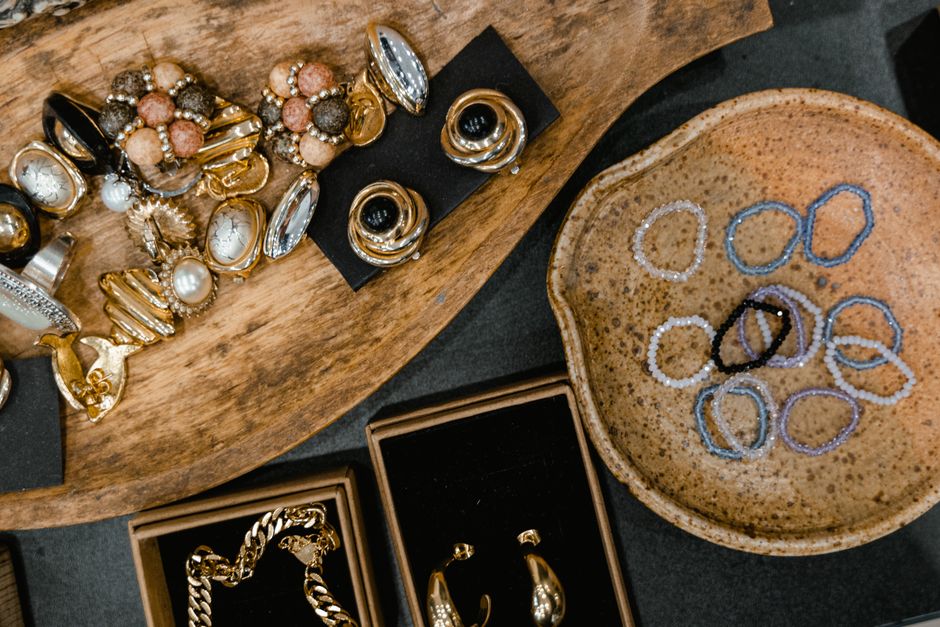
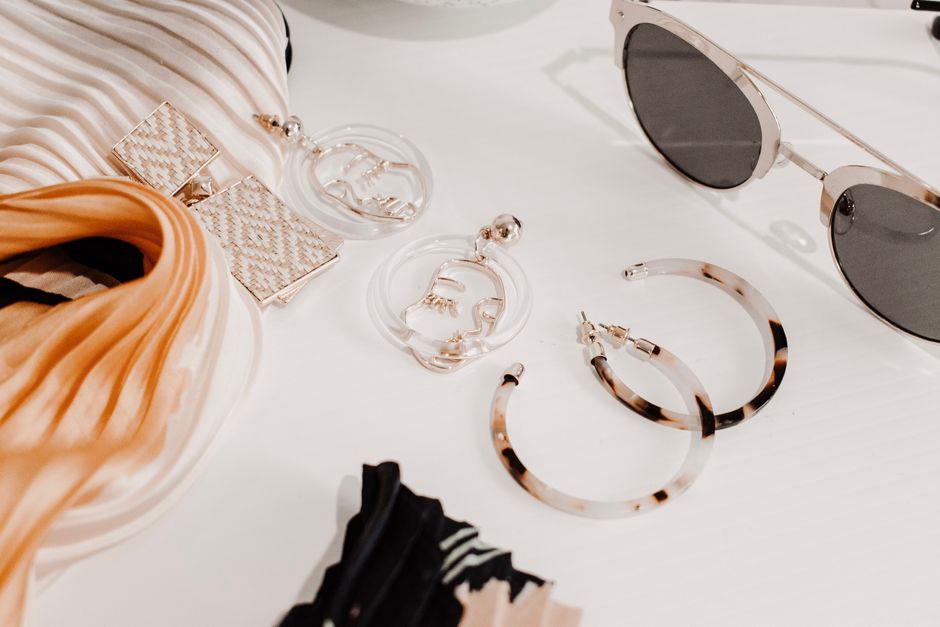
Accessories often serve as the finishing touch that ties an outfit together, and spring summer runways showcased a variety of options from statement earrings to structured bags. Layered necklaces, oversized sunglasses, and belts with unique buckles were among the details that added personality to looks. These can be integrated into daily wear by selecting one or two focal points rather than overcrowding an outfit. For example, a bold earring can elevate a simple outfit, while a patterned scarf can introduce color and texture.
Footwear also played a key role, with sandals, mules, and sneakers appearing in many collections. The choice of shoe can significantly affect the overall vibe of an outfit and should align with comfort and activity level. For everyday use, supportive sneakers or flat sandals may be practical, while heeled mules can add sophistication for special occasions. It is also worth considering how footwear interacts with hem lengths and proportions; for instance, a cropped pant might pair well with ankle-strap sandals to elongate the leg line.
When adding accessories, a common approach is to start with items that complement existing pieces and gradually build a collection. This can prevent impulse purchases and ensure that each accessory has multiple uses. Additionally, considering the durability and versatility of accessories can lead to more sustainable wardrobe choices. Style Thread suggests that accessories are a low-risk way to experiment with trends, as they can be easily swapped out and often require less commitment than larger garments.
Integrating Trends into Daily Wardrobe
Bringing runway trends into a daily wardrobe involves a thoughtful process that prioritizes personal style and practicality. One effective method is to identify one or two trends per season that feel most aligned with individual preferences and lifestyle. This focused approach prevents overwhelm and allows for intentional additions. For example, if color is a priority, selecting a few key pieces in new hues can refresh existing outfits without requiring a full wardrobe change. Similarly, if silhouette is of interest, trying a single new shape can open up styling possibilities.
Another strategy is to assess the versatility of potential purchases. Items that can be worn in multiple ways or across different occasions tend to offer greater value. A reversible jacket, a dress that can be dressed up or down, or a pair of shoes that work for both work and leisure are examples of versatile pieces. It is also helpful to consider how new items will integrate with current favorites, ensuring that they fill a gap rather than duplicate existing options. This approach can lead to a more cohesive and functional wardrobe.
Finally, it is important to remember that trends are optional and should serve personal expression rather than dictate it. The information provided here is intended to inspire and inform, not to prescribe. Individual circumstances such as budget, location, and profession will influence how trends are adopted. Style Thread encourages a balanced perspective that values creativity, comfort, and sustainability. By approaching trends with a process-oriented mindset, readers can enjoy the seasonal refresh while maintaining their unique style identity.